 admin
copier lease contract-based
Many businesses considering office equipment options often ask, “Is copier lease contract-based?” Understanding the structure of a copier lease is crucial for making an informed decision. Unlike outright purchasing, a copier lease typically involves a formal agreement between the business and the leasing company. This contract outlines the terms of use, payment schedules, and responsibilities for both parties, providing clarity and protection throughout the lease period.
A copier lease is generally contract-based because it establishes the obligations of both the business and the leasing provider. The agreement specifies the duration of the lease, which can range from a few months to several years, depending on the needs of the company. It also defines the monthly payment amount and what is included in the lease, such as maintenance, repairs, or software updates. By having these details in a formal contract, businesses can plan their budgets and avoid unexpected costs, which is especially important for small and medium-sized enterprises.
Another reason copier lease agreements are contract-based is that they help protect both parties legally. The contract ensures that the leasing company retains ownership of the equipment while the business has the right to use it according to the agreed terms. It also defines what happens if the copier is damaged, lost, or requires replacement. For businesses, this legal framework provides confidence that they are covered in case of technical issues or unforeseen circumstances, while the leasing company can safeguard its assets.
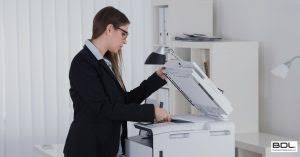
Is copier lease contract-based?
Contract-based copier lease often include clauses related to upgrades and equipment replacement. Many businesses benefit from the ability to switch to newer models during the lease term, ensuring access to the latest technology without additional large capital investments. The contract clearly specifies the conditions under which upgrades can occur and any associated costs. This structured approach allows companies to plan for equipment changes without disrupting daily operations.
Maintenance and support are also commonly included in a contract-based copier lease. The agreement typically outlines the responsibilities of the leasing company in maintaining the equipment, including routine servicing, repairs, and part replacements. By having these terms formally documented, businesses can rely on consistent service and reduce downtime. Employees can focus on core work without worrying about copier malfunctions, and the business can avoid unexpected expenses related to equipment repairs.
It is important for businesses to carefully review the terms of a copier lease contract before signing. While most leases are contract-based, the specific terms can vary widely between providers. Some contracts may include maintenance and service, while others may require additional fees for certain services. Understanding the details ensures that the lease meets the business’s operational and financial needs, preventing surprises during the lease period.
In conclusion, the question, “Is copier lease contract-based?” can be answered definitively. Copier leases are structured through formal contracts that outline the duration, payments, maintenance, and legal responsibilities. This approach protects both the business and the leasing company, provides access to up-to-date equipment, and ensures that operations can continue smoothly. For companies looking to manage costs while maintaining reliable office equipment, a contract-based copier lease is a practical and secure solution.
